One towel, two fabrics.
How it's put together, why it looks the way it does, and where it's made.
We started at the bench.
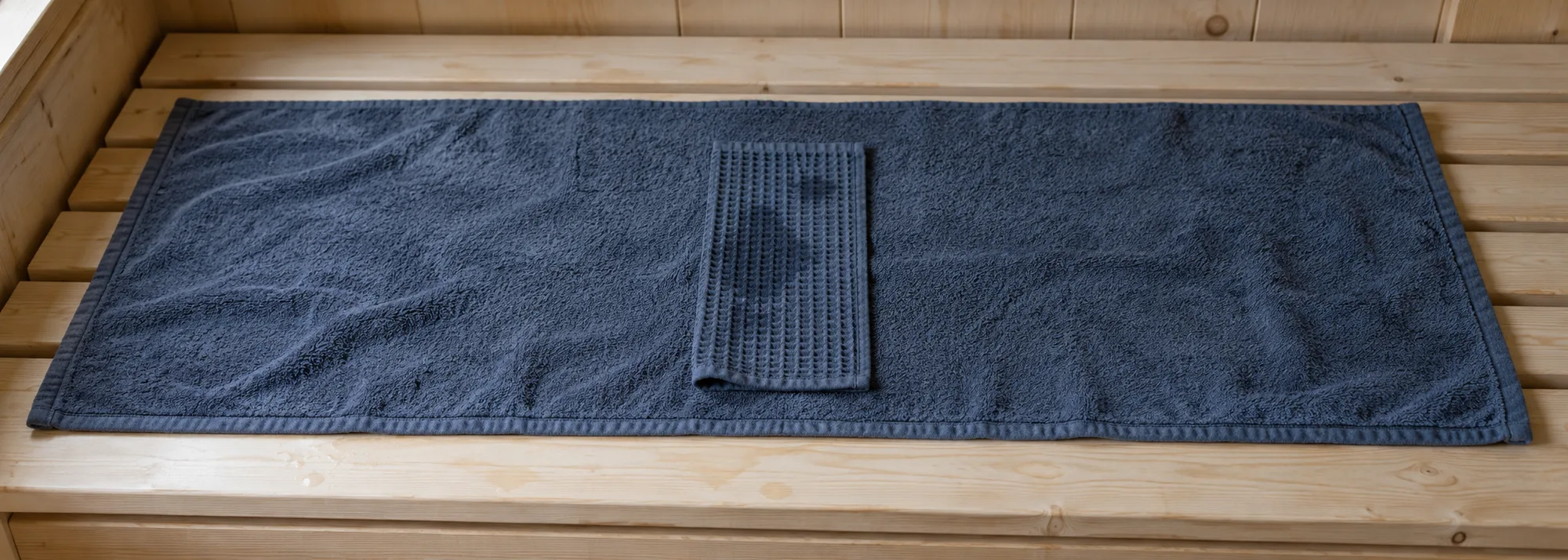
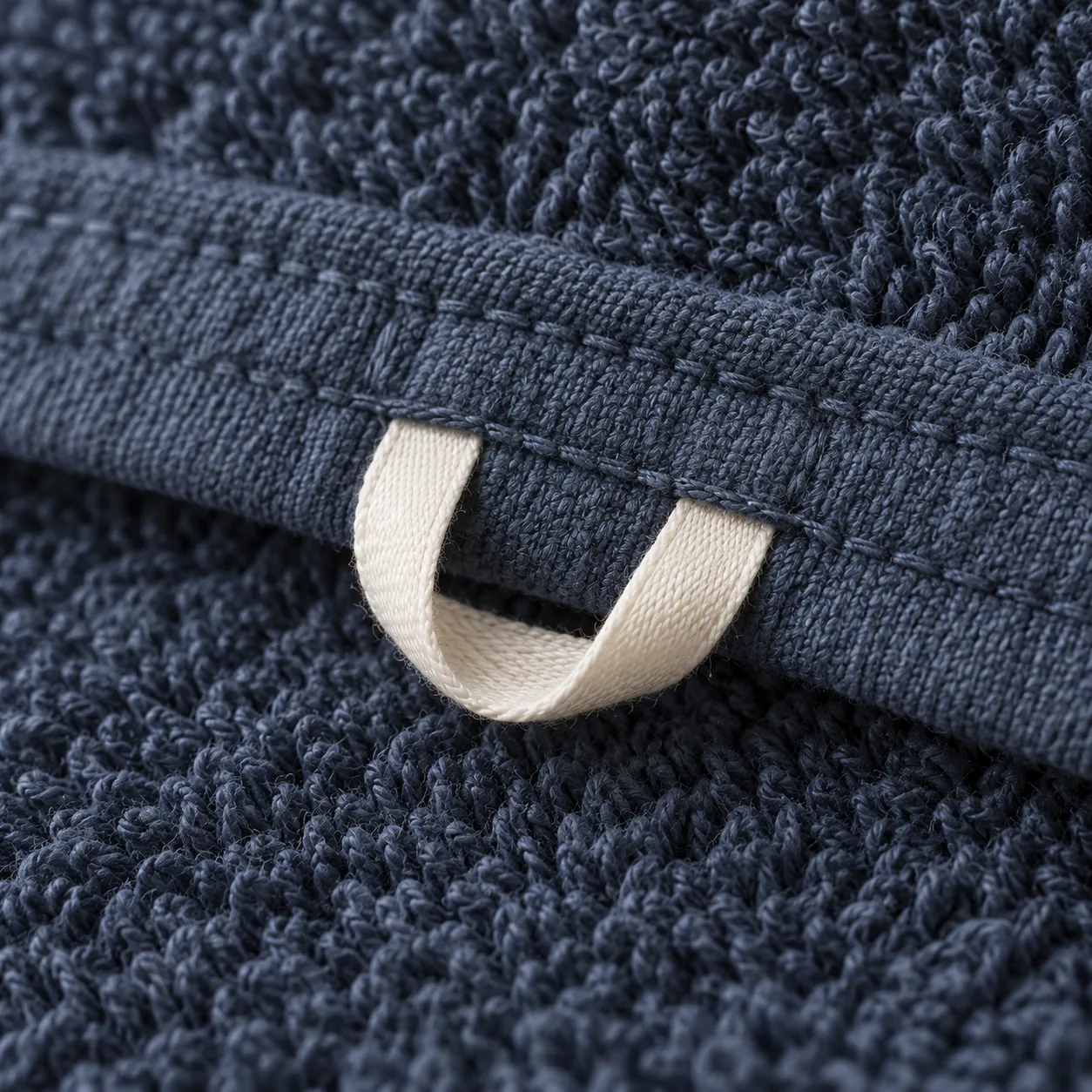
A sauna towel gets sat on, folded, stepped over and dropped next to the bucket. So the base had to be tough and absorbent, and the cool part had to be easy to find without looking.
That's why the panel sits in the exact centre of the towel, runs across its width, and has a different texture from everything around it. Wet it, fold it forward, and it lands where it should.
Three rules we set ourselves
Make the cool part obvious
One panel, in one place, doing one job. No straps, no pockets, no gel inserts.
Put every number on the page
Sizes, weights and fibres are all on the specifications page. If anything changes, it changes there first.
Don't promise what a towel can't do
It's a towel. A good one, we hope. It isn't a medical device, and we won't sell it like one.
Woven in northern Portugal.
The towels are woven in the Guimarães region, part of a valley with a long history of terry weaving. The first run is 500 towels in two colours.
- Region
- Guimarães, Portugal
- Base
- 100% cotton terry, 400 g/m²
- Panel
- 60% lyocell, 40% cotton, 280 g/m²
- First run
- 500 towels
- Colours
- Slate Blue, Charcoal
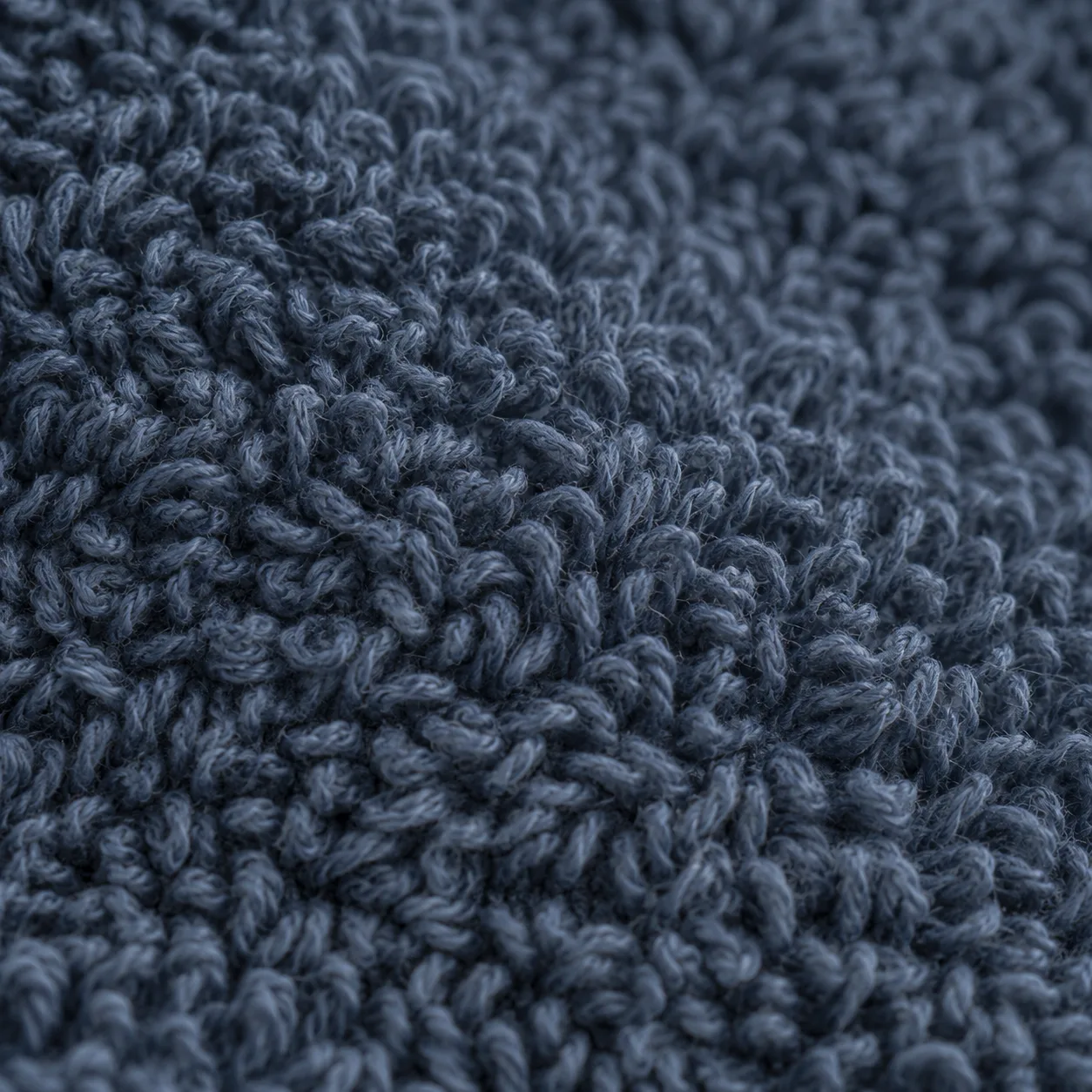
The base is for sitting. The panel is for water. Keeping them separate is the whole idea.